
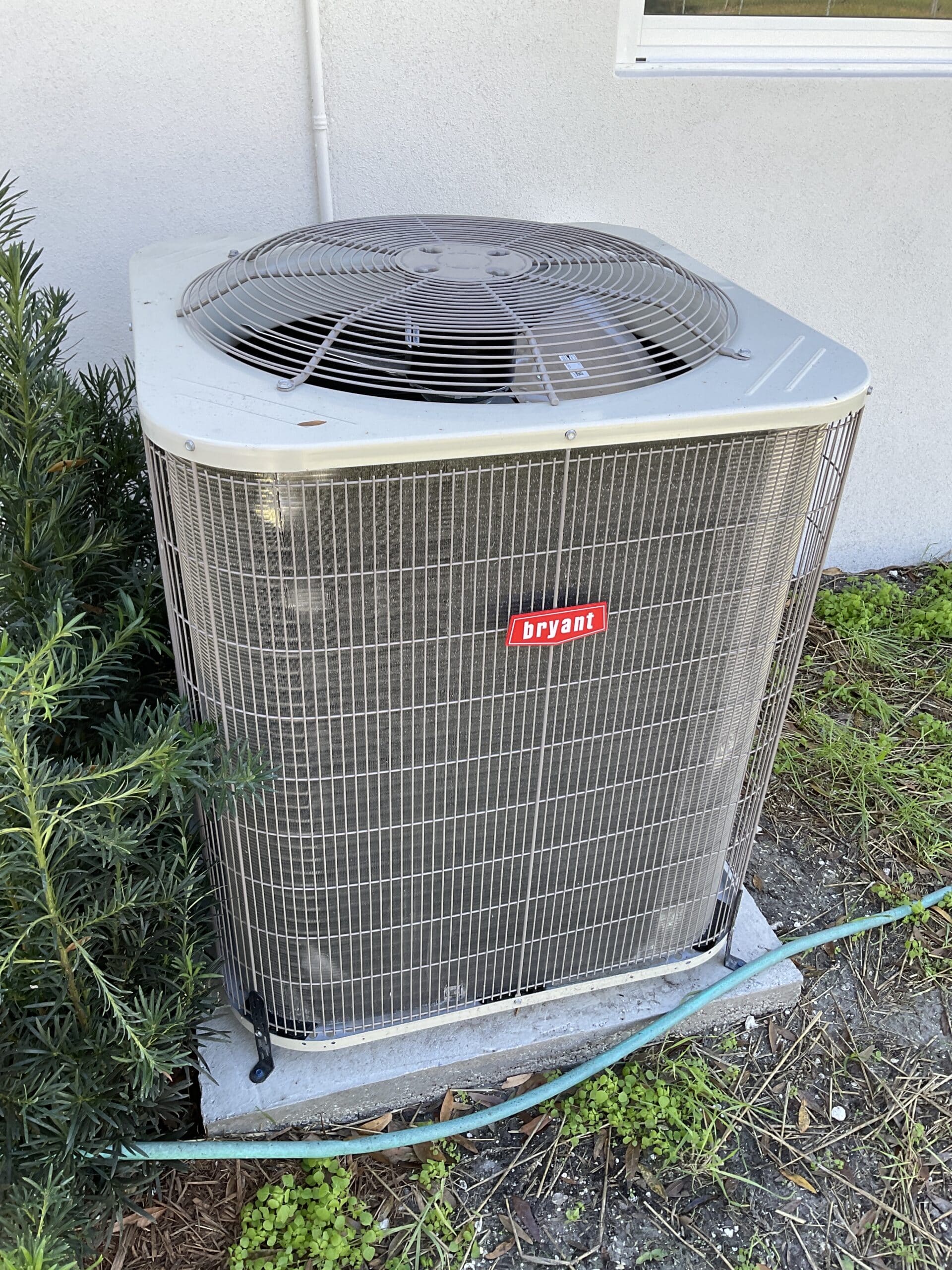
Why I don’t Run the A/C Below 65°F
Every winter I hear it: “Can you just flip the A/C on for a minute and make sure it works?”
If the outdoor temperature is below about 65°F, that “quick test” can turn into an expensive mistake—especially for standard residential systems. Many inspection training resources and industry guidance treat 65°F as a practical safety cutoff because compressor damage is possible under low-ambient conditions.
Let’s break down why that matters, what can go wrong, and what a professional inspector (or homeowner) should do instead.
❄️ Why 65°F Is a Big Deal (And Why It’s Not a “Made-Up” Rule)
The 65°F guideline isn’t some arbitrary excuse to skip work. It’s a risk-management line based on how typical A/C systems behave when outdoor temperatures drop.
When it’s cool outside, the A/C can’t operate under the pressures and heat load it was designed for. That can create conditions where:
- Refrigerant doesn’t boil off the way it should in the evaporator
- Pressures drop and temperatures swing out of the normal operating range
- Liquid refrigerant can return toward the compressor (bad news)

And when liquid refrigerant (or refrigerant mixed with oil) gets into a compressor, you can get slugging, which is exactly what it sounds like: liquid hammering a component designed to compress vapor.
💧The Compressor Problem: Oil + Cold = Trouble
Your compressor lives and dies by lubrication. The compressor oil has to be the right viscosity and it has to circulate/return properly.
Here’s what cold weather can do:
1) Oil can get thicker (higher viscosity)
Cold oil doesn’t flow the same. If oil is too thick, it may not lubricate tight internal surfaces properly—metal-on-metal wear becomes a real risk, and seizure becomes a possibility.
2) Refrigerant migration can mess with lubrication
When the system is off and it’s cold, refrigerant tends to migrate toward the coldest part of the system—often the compressor area. That’s why many systems use crankcase heaters: to keep the compressor oil warmer than other parts of the system and discourage refrigerant from settling where it shouldn’t.
3) Liquid refrigerant can return on startup
Even with a crankcase heater, if liquid refrigerant ends up where it shouldn’t, the next startup can be brutal. That’s one of the ways compressors get “killed.”
Bottom line: Testing cooling when it’s too cold outside can create conditions that are hard on compressors and their lubrication system—and “hard on” is a nice way of saying “could lead to a big repair bill.”
😯 Home Inspection Reality: Just Because Someone Wants It Tested Doesn’t Mean It Should Be
In Florida (and in many standards of practice), inspectors are not required to operate the A/C when ambient conditions could damage the system.
That isn’t laziness—it’s professionalism.
Because if an inspector forces the system to run under unsafe conditions and the compressor fails, guess who gets blamed?
Exactly.
🥵 “But My House Is Hot Inside…” (The Hard Truth)
If it’s 58°F outside and the home feels warm inside, that doesn’t mean the A/C should be used as a comfort tool or a test button. It usually means one of these is happening:
- Windows are shut and the sun load is cooking the interior
- Humidity and lack of airflow make it feel warmer than it is
- The heating system was running recently
- The thermostat is set wrong / someone is “just checking”
If you truly need cooling during low outdoor temps (server rooms, specialty loads, etc.), that’s a different kind of system requirement—and it often involves low-ambient controls or equipment designed for it. A standard residential setup may not be intended for that.
🛡️What I Do Instead (And What You Should Expect)
If it’s below ~65°F outside, a solid inspection approach is:
- Inspect the unit(s) visually (condition, damage, coil cleanliness, line insulation, electrical disconnect, refrigerant line set, etc.)
- Inspect the air handler area (filters, blower compartment access, signs of past overflow, drain line routing)
- Check thermostat function and basic system response (without forcing cooling operation in risky conditions)
- Defer cooling performance testing until conditions are appropriate
Then I recommend one of these options:
Option A: Re-test when conditions are right
Once outdoor temperatures are consistently above ~65°F, the system can be evaluated under more normal operating conditions.
Option B: Have an HVAC contractor evaluate it
If a buyer needs certainty right now, the cleanest move is to bring in a licensed HVAC contractor with the right tools and procedures.
💰The Takeaway: Protect the Compressor, Protect Your Wallet
A compressor is one of the most expensive parts of the entire HVAC system. Running cooling when the outdoor temperature is too low is one of those “tiny decisions” that can create a big, avoidable risk—especially because the test results you get in low-ambient conditions can be misleading anyway.
So here’s the rule I stand by:
If it’s below ~65°F outside, don’t force the A/C into cooling mode just to “see if it runs.” It’s not worth gambling a compressor to satisfy curiosity.
If you want your HVAC evaluated properly, do it under proper conditions—or have it checked by a pro who can test it safely and correctly. 😎👍
